

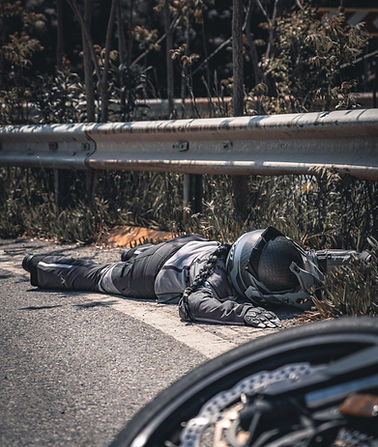
A serious injury from a motor vehicle accident changes daily life in ways most people never expect. Standing up from a chair, walking to the letterbox, dressing, or getting back to work can all become hard work. If you are a participant of the National Injury Insurance Scheme Queensland (NIISQ), you may be eligible for rehabilitation services under the scheme, and that can include NIISQ physiotherapy.
We provide mobile and in-clinic physical therapy across the Gold Coast, Logan and Brisbane, with a strong focus on the neurological and complex rehabilitation that serious motor accident recoveries often demand.
What Is the National Injury Insurance Scheme Queensland (NIISQ)?
NIISQ is a no-fault scheme run by the National Injury Insurance Agency, Queensland. It funds necessary and reasonable treatment, care, and support for people who sustain serious personal injuries in a motor vehicle accident in Queensland on or after 1 July 2016. Because it is a no-fault system, Queensland injury support can be provided regardless of who caused the accident, as long as you meet the eligibility criteria in the National Injury Insurance Scheme (Queensland) Act 2016 and its Regulation. For some participants, that support continues for life.
The scheme funds a range of injury-related supports, and rehabilitation for severe injuries is a primary focus. The NIISQ Agency lists physiotherapy, occupational therapy, and speech therapy as examples of the rehabilitation it may fund. Whether a particular service is funded depends on your plan and what the Agency considers necessary and reasonable for your specific situation.
What NIISQ Physiotherapy and Rehabilitation Can Involve
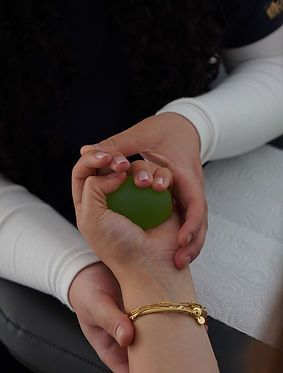
Every rehabilitation program is built around the individual, so no two look the same. Depending on your goals and your injury, your NIISQ physiotherapy plan may involve.
Comprehensive Assessment
A thorough evaluation of your movement, strength, balance, and range of motion, used to set clear and realistic recovery goals.
Individualised Treatment
A custom plan that may combine exercise, manual therapy, education, and functional training.
Rehabilitation Exercise
Targeted movements to rebuild strength, flexibility, balance, and coordination.
Gait Retraining & Mobility Aids
Assistance with walking and help choosing/using mobility aids such as walkers, wheelchairs, or orthoses.
Functional Rehabilitation
Training for everyday activities, from self-care and household tasks through to work and leisure.
Pain Management
Approaches including manual therapy, graded exercise, and self-management strategies.
Home Assessment
Equipment advice and home evaluations, with our occupational therapists prescribing equipment where it helps.
Carer Education
Support for you and your family or carers, so everyone understands the recovery program and how to support it safely.
How NIISQ Physiotherapy Supports Participants After a Serious Injury
NIISQ covers the most serious trauma, including permanent spinal cord injury, traumatic brain injury, multiple or high-level amputations, severe burns, and permanent blindness, with the exact criteria set out in the Regulation. Many of these are neurological conditions, directly affecting movement, strength, balance, and the ability to manage everyday tasks.
Engaging in NIISQ physiotherapy is one vital part of recovery, though it is not a quick fix. It cannot undo an injury, and real progress takes time and consistent effort. What targeted physical therapy can do is help you rebuild strength and movement while managing pain. From there, the focus shifts to the daily goals that matter most to you, whether that is transferring safely, walking again, or returning to the activities you value.
For people with a spinal cord injury, that often involves guided exercise. International evidence-based guidelines recommend adults with a spinal cord injury aim for at least 20 minutes of moderate to vigorous aerobic exercise twice a week, plus strength work for each major functioning muscle group twice a week. A physiotherapist helps you build towards targets like these safely and at a pace that suits your injury.

Neurological Rehabilitation Close to Home on the Gold Coast
Spinal cord and brain injuries are neurological injuries, and they need a different kind of rehabilitation to a sprained ankle. Dedicated neurological physiotherapy is hard to find on the northern Gold Coast. Our team works with neurological conditions every week, from spinal cord injury and traumatic brain injury through to stroke and Parkinson’s disease, so you do not have to travel far for skilled neuro rehab.
Mobile Physiotherapy in Your Home, Plus an In-Clinic Option
After a serious injury, getting to appointments is not always simple. So we come to you. Mobile physiotherapy means your sessions happen in your own home, where you can practise the movements that matter in the place you actually use them. When you want access to more equipment or more intensive work, our Pimpama clinic is there as well. You choose the setting that suits you on the day.
Working Alongside Your NIISQ Support Planner and Treating Team
As a NIISQ participant, you will usually have a Support Planner at the NIISQ Agency who helps coordinate your supports and approves injury-related services. Rehabilitation works best when everyone is on the same page. We communicate clearly with your Support Planner, and with the GPs, surgeons, occupational therapists, speech pathologists, and case managers involved in your care.
We also track your progress with objective measures, including VALD force-plate testing for strength and balance. This ensures that changes are something you can visibly see, providing objective data to support reviews of what is necessary and reasonable to fund for your ongoing NIISQ physiotherapy.
NIISQ vs the NDIS: What Is the Difference?
The NIISQ and the National Disability Insurance Scheme (NDIS) are often confused, but they are two separate schemes run by different agencies.
Note: If you are not sure which scheme applies to you, the NIISQ Agency or a support coordinator can help you work it out.
How to Get Started With Physiotherapy as an NIISQ Participant

If you are already a NIISQ participant and physiotherapy is part of your approved plan, contact us to talk through your goals and book an assessment. We can arrange a home visit or a session at our Pimpama clinic, and we are happy to liaise directly with your Support Planner about your specific needs.
If you are not yet a participant, or you are unsure whether you qualify for Queensland injury support, the NIISQ Agency is the place to start. You can call the Agency on 1300 607 566 or read the official eligibility information to understand the criteria. Eligibility always depends on your individual circumstances and your plan.
Either way, you are welcome to ask us a question first, with no obligation. We will give you honest, straightforward answers about how NIISQ physiotherapy could help in your situation.
Frequently Asked Questions
Book NIISQ Physiotherapy Across Gold Coast, Brisbane & Logan
Call us on 0432 730 386 or send a message, and we will explain how physiotherapy could support your recovery as a NIISQ participant.
Phone 0432 730 386 or email admin@pimpamaphysio.com.au.